What makes Seaside feel so easy to live in, even on a busy beach day? It is not just the white cottages, the Gulf views, or the famous 30A setting. It is the way the town was planned from the start to make walking, gathering, and beach access part of your everyday rhythm. If you are curious about why Seaside stands out, this guide will show you how its design shapes daily life and why that matters if you are thinking about buying, selling, or simply understanding the lifestyle here. Let’s dive in.
Seaside Was Planned With Purpose
Seaside was founded in 1981 by Robert and Daryl Davis on family land in Walton County, and Andrés Duany and Elizabeth Plater-Zyberk were brought in to plan the town. Official Seaside materials describe it as the world’s first New Urbanist town, while the Congress for the New Urbanism identifies it as the first new town built in the United States in a generation.
That origin matters because Seaside was never meant to grow like a typical beach strip. From the beginning, the goal was to create a compact, pedestrian-oriented town where daily life feels connected, human-scaled, and easy to navigate.
Walkability Shapes the Day
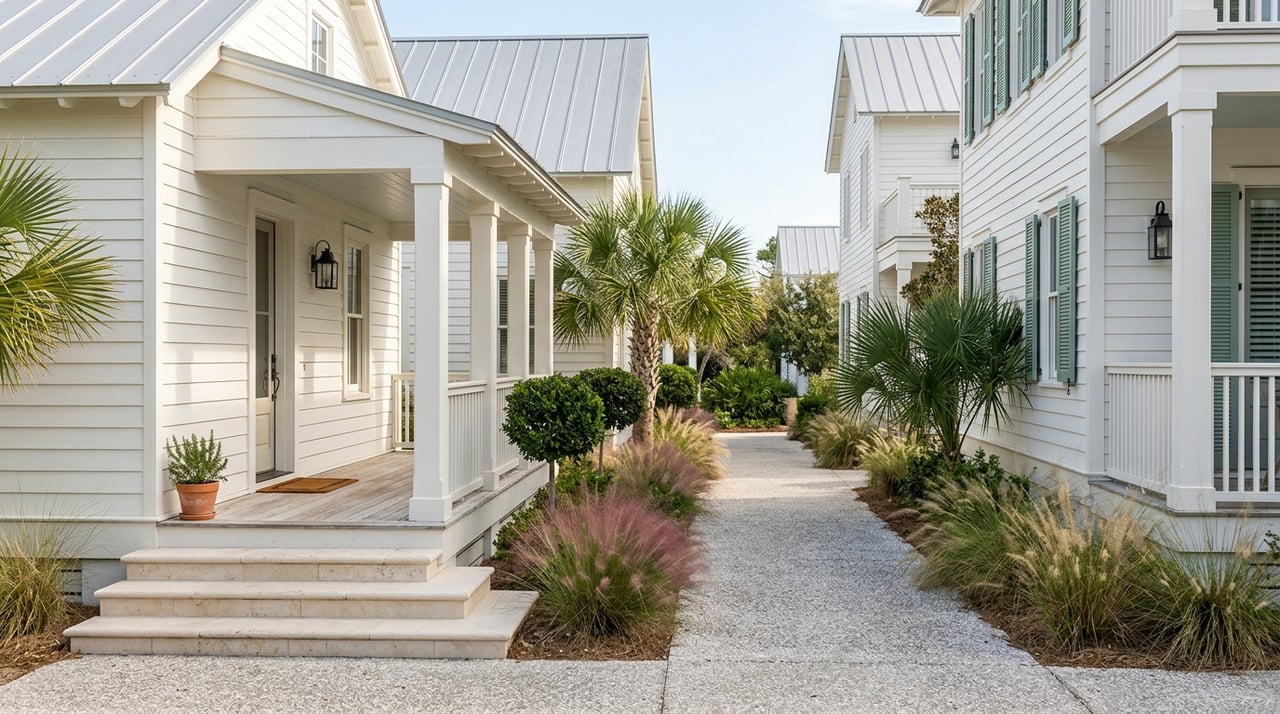
One of the biggest reasons Seaside feels different is its layout. Brick-paved streets, white-sand footpaths, and a centrally located town square place homes, shops, dining, and the beach within close reach.
According to Seaside, the narrow streets are intended to slow traffic and support walker safety. The result is a place where walking and biking are meant to be more convenient than driving once you arrive.
For you, that can change the way a beach day unfolds. Instead of loading up the car for every errand or outing, the rhythm is often much simpler: cottage to beach, beach to dinner, dinner to a square event.
Why That Rhythm Matters
In many coastal communities, beach life can still involve a lot of driving, parking, and planning around congestion. In Seaside, the design reduces those extra steps and makes daily movement feel more natural.
That convenience also supports a slower pace. You are more likely to stroll out for coffee, bike to dinner, or wander through town in the evening because the layout makes those choices easy.
Central Square Anchors Community Life
At the center of Seaside is Central Square, which serves as the town’s civic heart. Official Seaside materials say it was pivotal to the original design, and today the amphitheater hosts concerts, movies under the stars, theater performances, and other gatherings.
This is a major part of how design shapes everyday life here. Public space is not pushed to the side or treated like an extra. It is central to how the town functions.
A Built-In Place To Gather
When a town gives real importance to shared green space, it changes how people use it. In Seaside, events and casual meetups naturally flow into the square and nearby public spaces, reinforcing a sense of connection.
Seaside’s event coverage also references recurring activities like block parties, bike parades, farmers markets, and cinema screenings. That gives the town a pattern of regular community life rather than a one-note vacation feel.
Beach Access Is Part of the Design
In Seaside, the beach is not just nearby. It is woven into the town’s design through nine iconic pavilions along the Gulf-front edge. Seaside describes each pavilion as both a gateway to the Gulf and an architectural landmark.
The Coleman Pavilion serves as the central beach access point. That kind of design makes the transition from town to shoreline feel intentional and memorable, not accidental.
What That Means Day to Day
When beach access is clearly designed and easy to understand, your routine becomes simpler. You can move from home to pavilion to sand in a way that feels organized and inviting.
For vacation-home rental guests, Seaside says access is generally tied to the pavilion connected to their street and HOA rules. Members of the public may access the beach at the Coleman Pavilion by booking chair service through Cabana Man.
Architecture Creates a Cohesive Feel
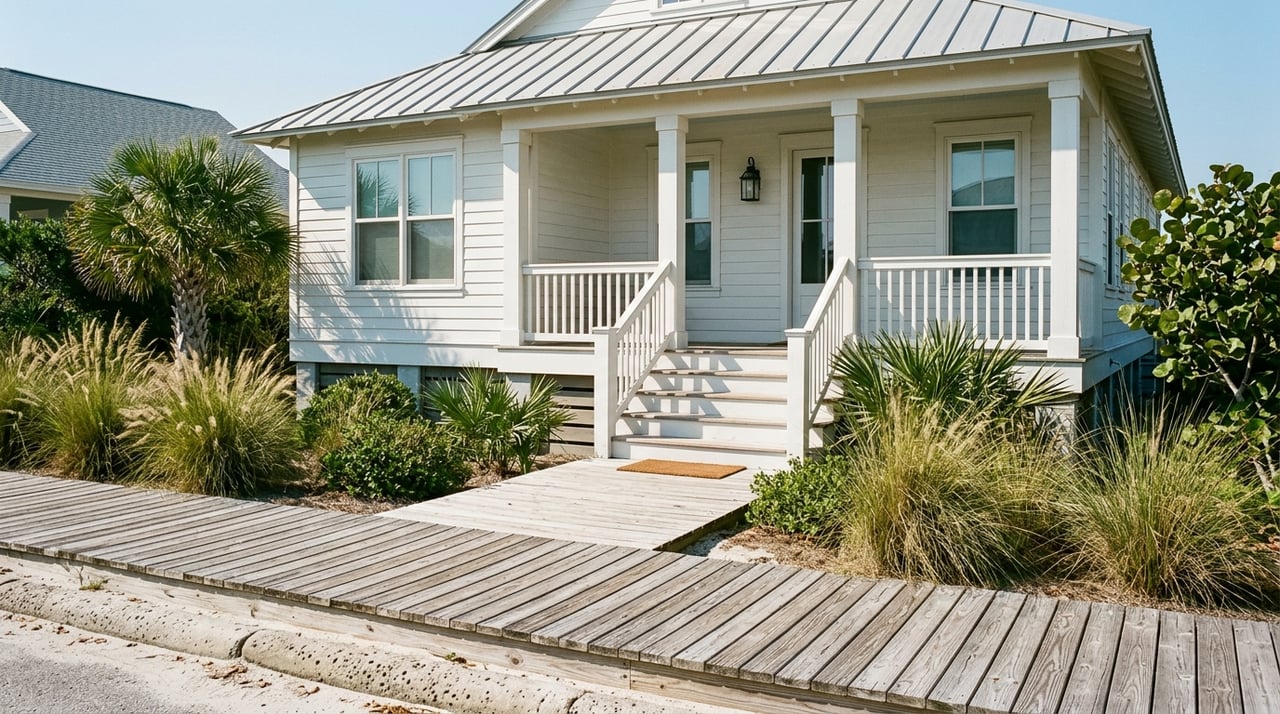
Seaside’s look is one of the most recognizable on 30A, but that visual identity comes from more than style alone. Official history says the first cottages were inspired by small-town references and beach-cottage memories, using simple, climate-suited design, wood and other time-tested materials, front porches, and native landscaping.
That approach still shapes how the town feels today. Homes are varied, but they belong to a larger design language that gives Seaside its distinct sense of place.
Variety Without Visual Chaos
Seaside Institute explains that the town’s form-based code allows flexibility while preserving key elements such as wood siding, a metal roof, or a front porch. That means owners can create different homes without losing the overall regional and cohesive character.
For buyers, that often translates into a community that feels polished and consistent without feeling repetitive. For sellers, it helps explain why Seaside has such a strong visual identity in photos, video, and in-person showings.
Porch Living Supports a Slower Pace
Front porches are more than an architectural detail here. They are part of the social design of Seaside. Seaside Institute notes that small houses, front porches, Central Square, Ruskin Place, and public beach pavilions all help support public life over private sprawl.
That creates a different kind of daily experience. Instead of retreating behind large lots and fenced spaces, people are more likely to see each other, linger, and participate in town life.
Why Buyers Notice This
If you are considering a home in Seaside, this is one of the lifestyle differences that can be hard to measure on paper but easy to feel in person. The town is designed to encourage outdoor movement and casual interaction.
That can be especially appealing if you want a beach home that feels connected to the community around it, not just close to the water. It is part of why Seaside often feels like a neighborhood first and a destination second.
Small Scale Makes Seaside Feel Intimate
Seaside’s anniversary materials note that the community includes more than 300 homes, shops, restaurants, and galleries. That number helps explain something many people notice right away: even when Seaside is active, it often still feels intimate.
Scale matters in beach communities. A compact pattern of homes and businesses can make everyday life feel more personal, navigable, and visually coherent.
Designed To Feel Legible
In practical terms, Seaside is easy to read. You can quickly understand where things are, how to get around, and where public life happens.
That legibility is part of the town’s appeal for second-home buyers, lifestyle relocators, and vacation-home shoppers. When a place is easy to use, it is easier to imagine yourself living there.
Daily Rituals Happen Naturally Here
Good town design does not just support big events. It also supports small routines that become part of everyday life. Seaside’s own stories mention a walking club that meets at the Post Office and routes that often pass the pavilions, as well as daily summer yoga classes at the Seaside Pavilion.
Those details may sound small, but they matter. They show how the built environment supports recurring habits, from morning walks to evening gatherings.
Lifestyle Is Built Into the Layout
This is one reason Seaside resonates with so many lifestyle-focused buyers. The town’s design makes simple pleasures easier to repeat, whether that is porch coffee, a short walk to the beach, or a casual event in the square.
For people shopping for a second home or planning a coastal move, that everyday usability can be just as important as the home itself. In Seaside, the setting helps shape the experience.
Why Seaside Stands Out on 30A
Seaside sits on Scenic Highway 30A between Destin and Panama City Beach, surrounded by a string of well-known beach communities. Yet official Seaside materials consistently present it as having its own identity because of its walkable center, public spaces, and intentional planning.
That distinction is important if you are comparing coastal lifestyles. Seaside operates more like a walkable neighborhood than a conventional resort strip.
In February 2026, Seaside said U.S. News & World Report named it the #1 Best Family Beach Vacation Destination in the U.S., citing safety, kid-friendly attractions, dining, accommodations, and multi-generational appeal. Whether you care about rankings or not, the recognition reflects the town’s broad lifestyle appeal.
What This Means for Real Estate Decisions
If you are buying in Seaside, you are not just choosing a home near the beach. You are choosing a community where design shapes how your days unfold, from how easily you get around to how often you engage with public spaces.
If you are selling in Seaside, this is also part of your property’s story. Buyers are often responding not only to square footage or finishes, but to the town’s front-porch culture, beach access, walkability, and distinctive architectural identity.
That is why Seaside continues to stand out in the Walton County coastal market. It offers a lifestyle that feels thoughtfully designed from the street grid to the shoreline.
If you want help understanding how Seaside’s design and lifestyle connect to real estate value, neighborhood fit, or your next move on 30A, Luxury Beach Group is here to help you explore the coastal life that fits you best.
FAQs
Can you get around Seaside without a car?
- Yes. Seaside says the town was intentionally designed to be walkable, with dining, shops, the beach, and homes located close together.
What happens in Central Square in Seaside?
- Central Square and its amphitheater host concerts, movies, theater performances, holiday events, and other recurring town gatherings.
How does Seaside architecture stay consistent?
- Seaside Institute says the town uses a form-based code that allows variation while preserving key elements such as wood siding, metal roofs, or front porches.
How does beach access work in Seaside?
- Seaside says vacation-home rental guests generally receive access tied to their street and HOA rules, while public access at the Coleman Pavilion is available through chair rental booking.
Why does Seaside feel different from other beach towns?
- Its design emphasizes walkability, public gathering spaces, front-porch living, and easy beach access, which creates a more connected, neighborhood-style experience.