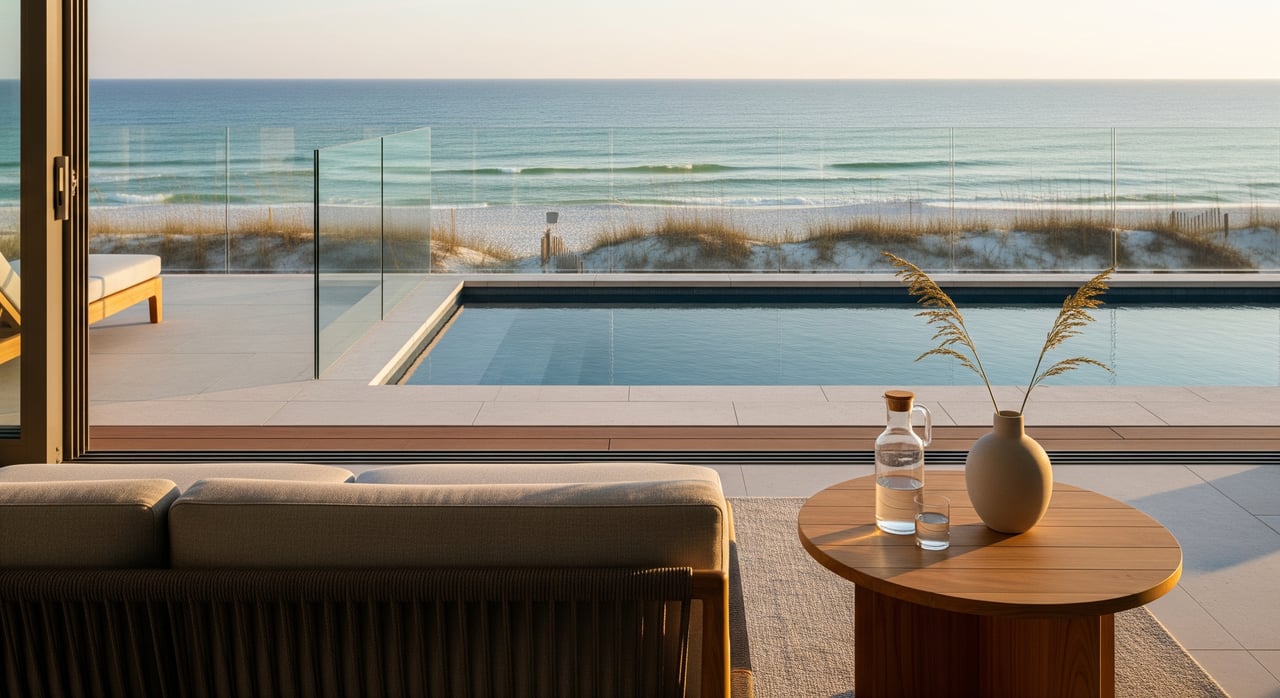
Dreaming of coffee on a balcony overlooking Destin’s emerald water, but worried about surprise condo assessments? You are not alone. Many buyers love the beach lifestyle but want a clear picture of what they will pay and why. In this guide, you will learn how condo reserves work, what to request from the association, and the Destin-specific factors that shape long-term costs and risk. Let’s dive in.
What condo reserves are
Condo reserves are funds set aside by the association to pay for major repairs and replacements over time. Think roofs, elevators, exterior painting, pool decks, parking structures, and building envelope work. Reserves are different from operating expenses like utilities, landscaping, or day-to-day maintenance.
Healthy reserves help cover big-ticket items when they come due. That lowers the chance of a sudden special assessment that can hit owners all at once. In a coastal market like Destin, reserves are a key part of your total cost of ownership.
Reserve studies vs. engineering reports
A reserve study is a financial planning tool. An analyst or engineer lists major components, estimates their useful life, and recommends a funding plan. Some studies use a component-by-component approach while others use a cash-flow method. The goal is to match future costs with steady annual contributions.
A structural or engineering report is different. It is a technical evaluation focused on condition and safety. It looks at deterioration, corrosion, moisture intrusion, and the building envelope. A structural report can uncover urgent issues that might require immediate repairs and large assessments. Ideally, you review both types of documents to understand funding and condition.
Why reserves affect your costs
Reserves show up in your monthly or quarterly dues. Higher funding now can mean fewer surprises later. Low or depleted reserves increase the chance of:
- Special assessments
- Short-term borrowing by the association
- Deferred maintenance that may affect resale value and insurance
Lenders and insurers also pay attention. Insufficient reserves, recent assessments, or poor inspection findings can affect your mortgage options and policy terms. In Florida, windstorm and flood coverage add another layer of consideration that interacts with reserve planning after storm events.
Destin coastal factors that matter
Destin’s coastal environment is beautiful and demanding. Salt air, wind-driven rain, and hurricane exposure accelerate wear on concrete, metal, and exterior coatings. Over time, you may see faster corrosion, balcony and railing issues, roof wear, and spalling in concrete elements.
Local building types also drive reserve needs. Destin has many high-rise beachfront towers, mid-rise complexes, and resort-style communities with pools, docks, boardwalks, and parking garages. Larger buildings and waterfront structures have complex mechanical systems and building envelope needs. That often means bigger capital budgets and higher reserve targets.
Age is another factor. Buildings approaching 30 to 40 years usually face larger upcoming projects. Coastal exposure can shorten useful life estimates compared to inland properties. When you review a reserve study, look for coastal-specific assets like seawalls, docks, and balconies.
What to request upfront
During your due diligence, ask your agent to help you request and review:
- Latest annual budget with the reserve schedule
- Most recent reserve study with the date, author, and method
- Audited or reviewed financial statements and current reserve balances
- Meeting minutes for the last 12 to 36 months
- Estoppel certificate and any pending or approved special assessments
- Recent engineering or structural reports and major project contracts
- Master insurance policy declarations, including wind, hurricane, and flood details
- List of recent capital projects, permits, and warranties
- Litigation disclosure for any suits that could lead to assessments
Also check Okaloosa County public records for permits, code enforcement, and project histories. Look for patterns of major repairs, contractor liens, or open permits.
How to read the numbers
Start with the reserve study and budget. Focus on:
- How recent the study is and who prepared it
- Whether all major components are included, especially coastal elements
- The recommended annual contribution vs. the amount actually funded
- The current reserve balance compared with the next 5 to 10 years of projects
- Whether the study uses a component or cash-flow method
- Any approved waiver or reduction of reserve funding noted in minutes
Many reserve studies include a summary metric called percent funded. This compares money on hand to the estimated deterioration of listed components. Higher percentages mean the association is closer to fully covering expected needs. Lower percentages suggest potential shortfalls. Treat percent funded as a helpful gauge, not a final verdict. Always pair it with the project schedule, engineering findings, and meeting minutes.
Red flags to watch in Destin
A few warning signs deserve extra attention:
- Reserves that are very low with big projects coming due
- Frequent or large special assessments in recent years
- Repeated deferrals of capital projects in minutes and budgets
- Recent engineering reports noting structural or envelope issues without a funding plan
- Short-term borrowing to cover capital needs or using operating funds for capital items
- Insurance gaps, high wind or hurricane deductibles, or claims that could trigger assessments
- A high share of non-occupant owners that may complicate collections in stress scenarios
One or two items do not make a deal breaker, but a pattern can raise risk.
Questions to ask the association
Get clear, specific answers before you finalize your offer:
- When was the last reserve study completed, and by whom? Are there recent structural reports?
- What is the current reserve balance, and how is it allocated by component?
- Are any special assessments approved or planned? What was the history over the last five years?
- What capital projects are scheduled in the next three to five years, and how will they be funded?
- Has the association borrowed money for capital needs, or do they plan to?
- Are there any open permits, code issues, or corrective projects underway?
- How often are reserve studies updated, and how are budget adjustments made?
Financing and insurance considerations
Your lender may review the association’s reserve levels, special assessment history, and condition reports. If reserves are weak or major repairs are pending, it can affect loan approval for certain programs. Insurers also evaluate risk, especially for windstorm and flood exposures. The master policy details and deductibles matter for your total cost.
Talk with your lender and insurance agent early. Share the reserve study, minutes, and master policy summary so they can flag any concerns before you go under contract.
A simple due diligence checklist
Use this quick list to stay organized:
- Review the budget, reserve study, financials, minutes, estoppel, and master insurance policy
- Confirm the reserve study date and coastal scope, including seawalls and balconies
- Ask about the next five years of projects, funding sources, assessment history, and litigation
- Check Okaloosa County records for permits, code items, and project histories
- Align with your lender and insurance agent on any implications for loan or policy terms
- Consider a professional property or engineering inspection, especially for older or high-rise coastal buildings
How this protects your beach lifestyle
You are not just buying a unit. You are investing in a community and a structure that must stand up to coastal life. Strong reserves and clear funding plans support safety, smooth operations, and predictable ownership costs. That means more time for sunrise walks and less time worrying about the next assessment.
Make a confident move in Destin
If a Destin condo is on your wish list, a focused review of reserves and reports will help you buy with confidence. We can help you gather the right documents, read the story behind the numbers, and connect you with trusted local pros for lending, insurance, and inspections. When you are ready to find the right building for your beach life, reach out to Rachel Hutchings for concierge guidance.
FAQs
What are condo reserves and why do they matter?
- Reserves are funds set aside for major repairs and replacements, which helps reduce surprise special assessments and supports stable ownership costs.
How is a reserve study different from an engineering report?
- A reserve study forecasts funding needs for components over time, while an engineering report evaluates condition and safety to identify urgent issues.
What Destin-specific risks affect reserves?
- Salt air, wind-driven rain, and hurricane exposure can accelerate corrosion and wear on balconies, roofing, concrete, and metal components.
Which documents should I review before buying a Destin condo?
- Ask for the latest budget with reserves, the most recent reserve study, financials, minutes, master insurance policy, engineering reports, estoppel, and any litigation disclosure.
What is percent funded in a reserve study?
- Percent funded compares current reserve money to projected component deterioration, serving as a helpful gauge when paired with project schedules and reports.
How do lenders and insurers view condo reserves in Florida?
- Many lenders and insurers review reserve levels, special assessment history, and inspection findings, which can influence loan eligibility and insurance terms.