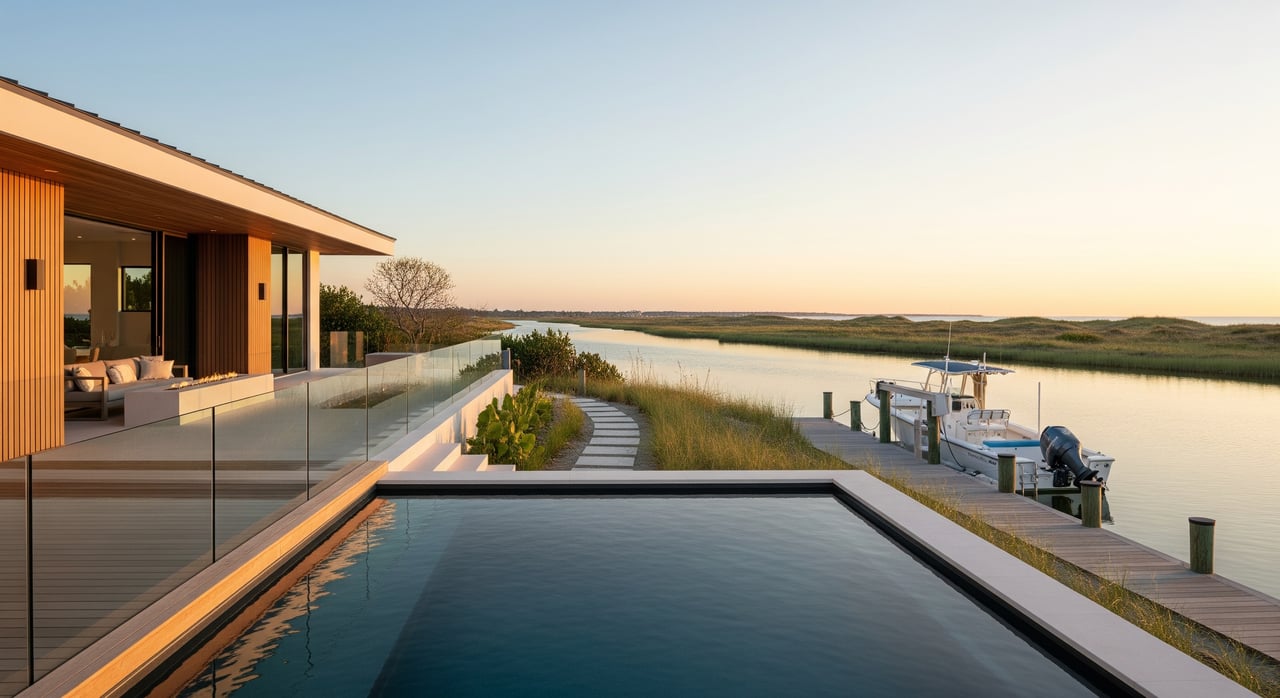
Boat days or beach walks. That is the real question when you picture your life along 30A and the Choctawhatchee Bay. If you are torn between launching a paddleboard from your backyard dock or stepping straight onto soft white sand, you are not alone. Many buyers weigh intracoastal bayfront living in Freeport against direct Gulf-front addresses near 30A. In this guide, you will compare lifestyle, maintenance, risk, and rental considerations so you can choose the waterfront that truly fits how you want to live. Let’s dive in.
Quick snapshot: bay vs Gulf-front
- Bayfront and intracoastal along Choctawhatchee Bay
- Calmer water for boating, fishing, kayaking, and paddleboarding.
- Often includes private docks or access to community docks and marinas.
- Quieter neighborhoods with a residential feel around Freeport.
- Drive to 30A beaches and beach villages for the day.
- Gulf-front on or near 30A
- Direct walk-out access to the sand and surf.
- Panoramic open-water views and classic beach routines.
- Closer to 30A dining, shops, and resort-style amenities.
- More seasonal crowds and short-term rental traffic.
Lifestyle fit on 30A
Recreation and daily rhythms
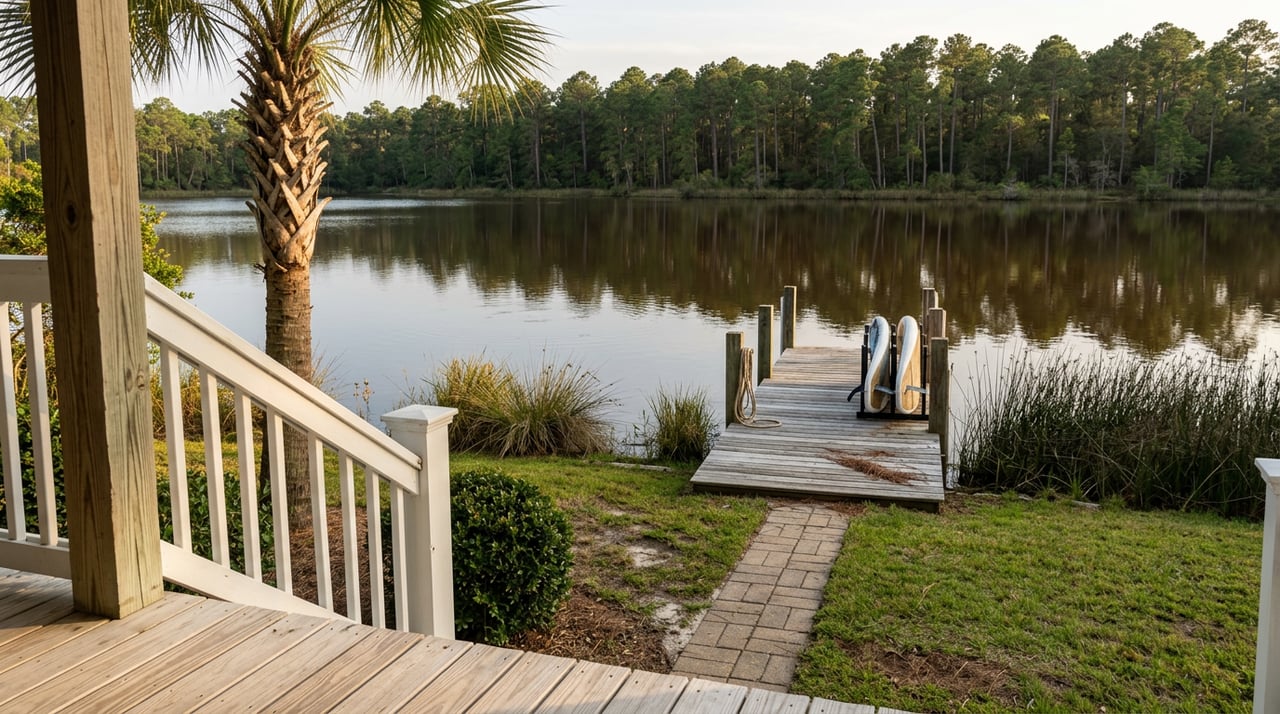
- Bayfront life centers on calm water. You can fish at sunrise, hop on a skiff, or launch a paddleboard from your own backyard. Families who prefer gentler water and boat days often love this pace.
- Gulf-front living revolves around the beach. You step onto the sand for morning walks, collect shells with the kids, and watch the sunset over the surf. Many condos and planned beach communities add pools and other amenities.
Privacy, noise, and crowds
- Gulf-front areas near popular 30A communities draw tourists and short-term renters during peak seasons. Expect more beach activity and a lively scene.
- Bayfront neighborhoods around Freeport and the bay tend to be quieter and more residential. Marinas and public launches can create localized activity, but daily life often feels calmer.
Access to 30A amenities
- Gulf-front positions you close to beach villages, restaurants, and shops along 30A.
- Bayfront properties usually mean a short drive to the beach. The tradeoff is a quieter setting at home and direct access to boating.
Ownership costs and maintenance
Docks, lifts, and dredging on the bay
- Private docks and boat lifts are major lifestyle perks and value drivers on bayfront parcels.
- Expect ongoing maintenance such as piling repair, lift servicing, and corrosion control on marine materials.
- In some areas, periodic dredging may be needed to maintain access. Dredging is subject to permits and restrictions, especially near seagrass and protected habitats.
Dunes, surf, and exposure on the Gulf
- Gulf-front properties manage dune vegetation and beach access paths. Communities may participate in beach nourishment programs.
- Direct exposure to wind, waves, and storm surge increases exterior wear and tear. Regular cleaning and maintenance help protect finishes and systems.
HOA and community rules
- Gulf-front condos and planned communities often have HOAs that handle pools, dune crossovers, reserves, and insurance. Monthly fees reflect those shared costs.
- Bayfront neighborhoods may have HOA rules for docks, boat storage, and architectural standards. Community docks or marina slips can come with their own fees.
Utilities and sewage
- Some bayfront or rural parcels rely on septic systems. Routine pumping and inspections are part of ownership and should be included in due diligence.
- Many Gulf-front condos and newer developments connect to municipal sewer systems, which can simplify maintenance.
Permits and environmental rules
Dock, lift, and dredging permits
- In-water work commonly requires permits from state and federal agencies, along with county approvals. Typical contacts include the Florida Department of Environmental Protection, the U.S. Army Corps of Engineers, and Walton County Building and Permitting.
- Verify permit history and whether any structures are grandfathered. This is essential before planning upgrades or replacements.
Dune protection, sea turtles, and shorebirds
- Gulf-front properties must follow lighting rules and seasonal restrictions to protect sea turtle and shorebird nesting. Work windows can be limited at certain times of year.
- Bayfront shorelines with seagrass or wetlands face limits on new docks, dredging, and shoreline hardening. Riprap or seawalls often need specific approvals and maintenance plans.
Seasonal work windows and lighting
- Regional rules control when in-water or shoreline work can occur. Plan timelines early if you expect to repair a dock, replace a lift, or adjust a dune crossover.
- Coastal lighting standards help reduce impacts on wildlife. Expect to review fixture choices and shielding, especially on Gulf-front homes.
Risk, insurance, and taxes
Flood zones and storm surge
- Gulf-front homes are more likely to fall within V or VE flood zones with higher surge and wave action. Flood insurance premiums tend to be higher.
- Bayfront parcels can be in AE or coastal A zones. Flood risk still depends on elevation and proximity to channels.
- For any property, review FEMA flood maps, request an elevation certificate, and obtain property-specific flood insurance quotes.
Windstorm and structural exposure
- Both Gulf and bayfront locations face coastal wind risk. Construction type, elevation, age, and mitigation features such as hurricane straps and impact windows influence premiums.
- Direct Gulf exposure typically sees greater wave forces and salt spray, which can raise maintenance and insurance costs.
Property taxes and fees
- Walton County property taxes reflect assessed value. Gulf-front parcels usually carry higher valuations, which can increase annual taxes.
- Gulf-front condos may have higher monthly HOA fees for amenities, dune care, reserves, and insurance. Bayfront owners should budget for dock and seawall maintenance, plus possible marina or dredging costs.
Rentals and resale
Short-term rental potential
- Gulf-front homes and condos often command higher nightly rates and strong occupancy due to direct beach access. Higher turnover and guest wear are common, and management standards can be strict.
- Bayfront properties appeal to boaters, anglers, and families who want private docks. This niche can achieve premium rates when water access is truly turnkey.
Resale and market sensitivity
- Gulf-front addresses carry a price premium and broad appeal. Values can be more sensitive to erosion patterns and storm impacts.
- Bayfront homes with deep water access and well-maintained docks perform well with boating buyers. Neighborhood supply and demand matter, so recent comparable sales are key.
Buyer checklist
Before you tour
- Ask for recent comparable sales for both Gulf-front and bayfront homes in your target neighborhoods.
- Pull the flood zone designation and any available elevation certificates for each parcel.
- Confirm permit history for docks, lifts, seawalls, dredging, or beach work.
- Review HOA documents for rules, rental policies, reserves, and insurance coverage.
During property evaluation
- Inspect the dock, lift, piling depth, and water access at low tide. Ask about dredging history.
- On the Gulf, check dune condition, crossover stability, and any evidence of erosion or shoreline armoring.
- Verify municipal sewer versus septic and order septic inspections if applicable.
- Look for salt-related corrosion on exterior metals and fixtures.
- Confirm deeded access easements and any coastal construction or conservation overlays.
Financial due diligence
- Get property-specific quotes for flood and homeowners insurance. Premiums vary widely by elevation and construction.
- Account for HOA or condo fees, marina slip fees, and possible assessments.
- Review the property tax history and consider how a new valuation might change your cost basis.
Permits and legal review
- Verify the status of existing dock and seawall permits and whether structures are grandfathered.
- If you plan significant changes, seek pre-application guidance from the appropriate agencies and consider consulting a coastal real estate attorney.
Freeport and Choctawhatchee Bay context
- Freeport sits on the Choctawhatchee Bay with convenient access to 30A. You can enjoy a quieter bayfront lifestyle at home, then head to the beach villages when you want sand and surf.
- The area offers a mix of private docks, marinas, and public boat ramps. Compare the value of a personal dock with available slips and community facilities.
- When choosing a neighborhood, weigh your commute to daily services such as groceries and healthcare, along with how often you plan to visit the beach versus launch a boat.
How to choose your best fit
Ask yourself a few simple questions:
- How often will you use the beach compared to a boat or paddleboard?
- Do you prefer a quieter residential setting or the energy of seasonal visitors near 30A?
- Is low-maintenance condo living more appealing, or do you want a single-family home with a private dock?
- How important is rental income, and what level of management are you comfortable with?
If you want tranquil mornings on the bay and sunset fishing, bayfront living around Freeport may be the dream. If you want to step onto the sand and soak up that classic 30A scene, Gulf-front is likely your match. Either path can deliver the coastal life you want when you align the property with your daily routines and budget.
Ready to find the waterfront that fits your life. Reach out to Rachel Hutchings for a friendly, data-informed plan that blends lifestyle and due diligence. Discover your beach life with concierge guidance from search to closing.
FAQs
What is the key lifestyle difference between bayfront and Gulf-front near 30A
- Bayfront centers on calm-water boating and private docks, while Gulf-front delivers direct sand access, surf, and a beach-focused daily routine.
How do flood zones and insurance costs typically compare for Gulf-front vs bayfront homes
- Gulf-front homes are more often in higher-risk V or VE zones with higher flood premiums, while bayfront can be in AE or coastal A zones, though costs still depend on elevation and construction.
What permits are usually required to build or repair a dock on Choctawhatchee Bay
- In-water work often needs approvals from the county, the Florida Department of Environmental Protection, and the U.S. Army Corps of Engineers, with added restrictions near seagrass and wetlands.
Are there special rules for Gulf-front lighting and beach work due to sea turtles
- Yes, coastal lighting and seasonal work windows help protect sea turtles and shorebirds, and these rules directly affect Gulf-front properties.
Do bayfront homes require dredging, and what should I check before buying
- Some parcels do, so you should review water depth at low tide, dredging history, and permit status for any prior or planned dredging.
Which option tends to earn higher short-term rental income near 30A
- Gulf-front homes and condos often command higher nightly rates and occupancy, while bayfront rentals appeal to boaters and can earn premiums when docks and deep water access are turnkey.