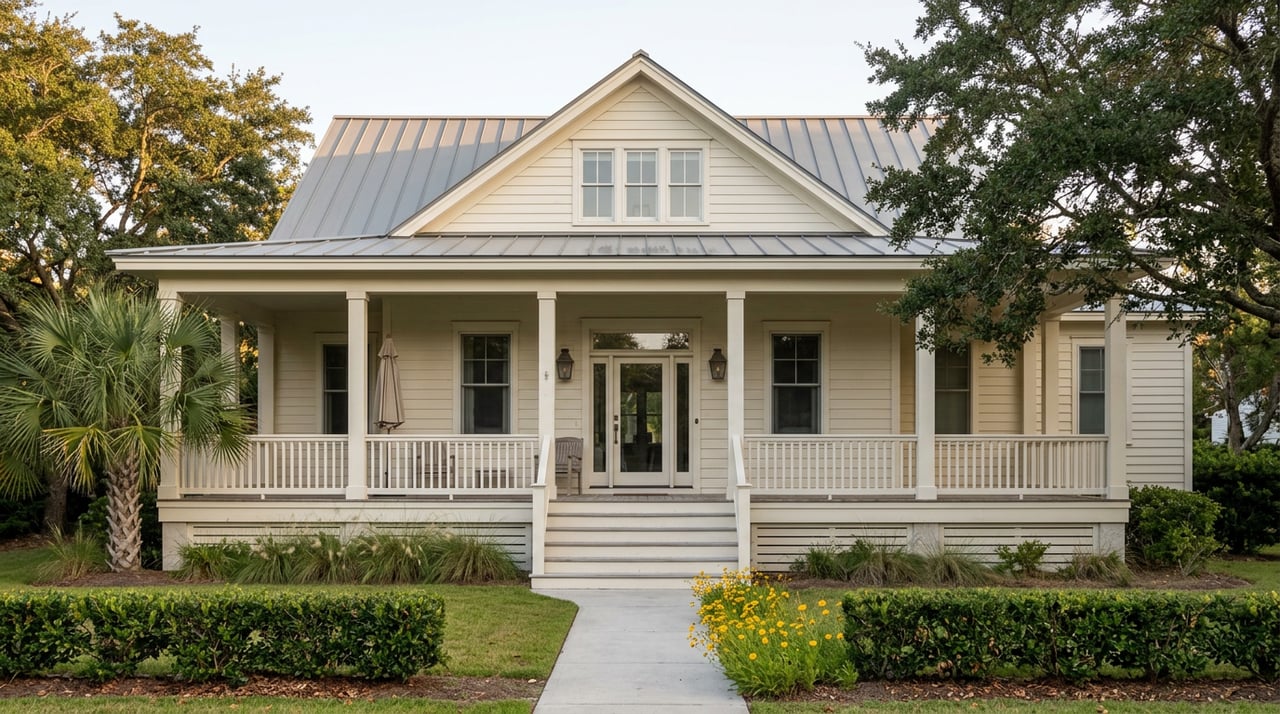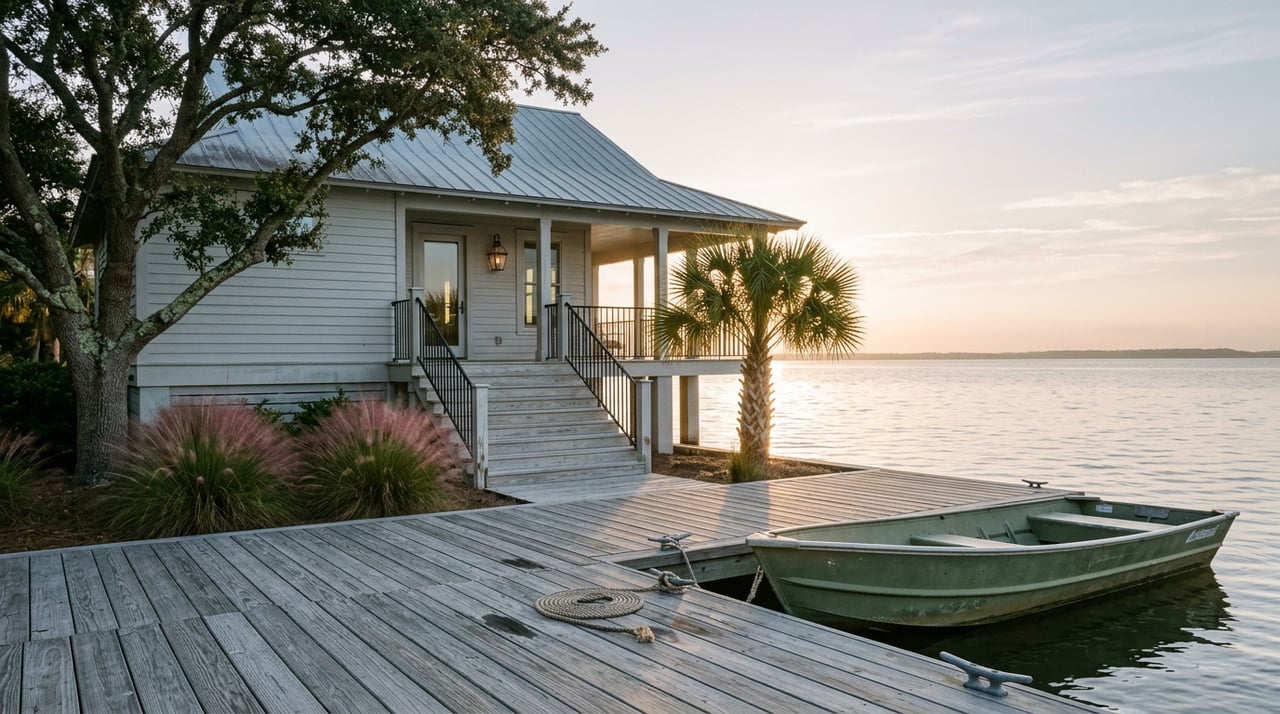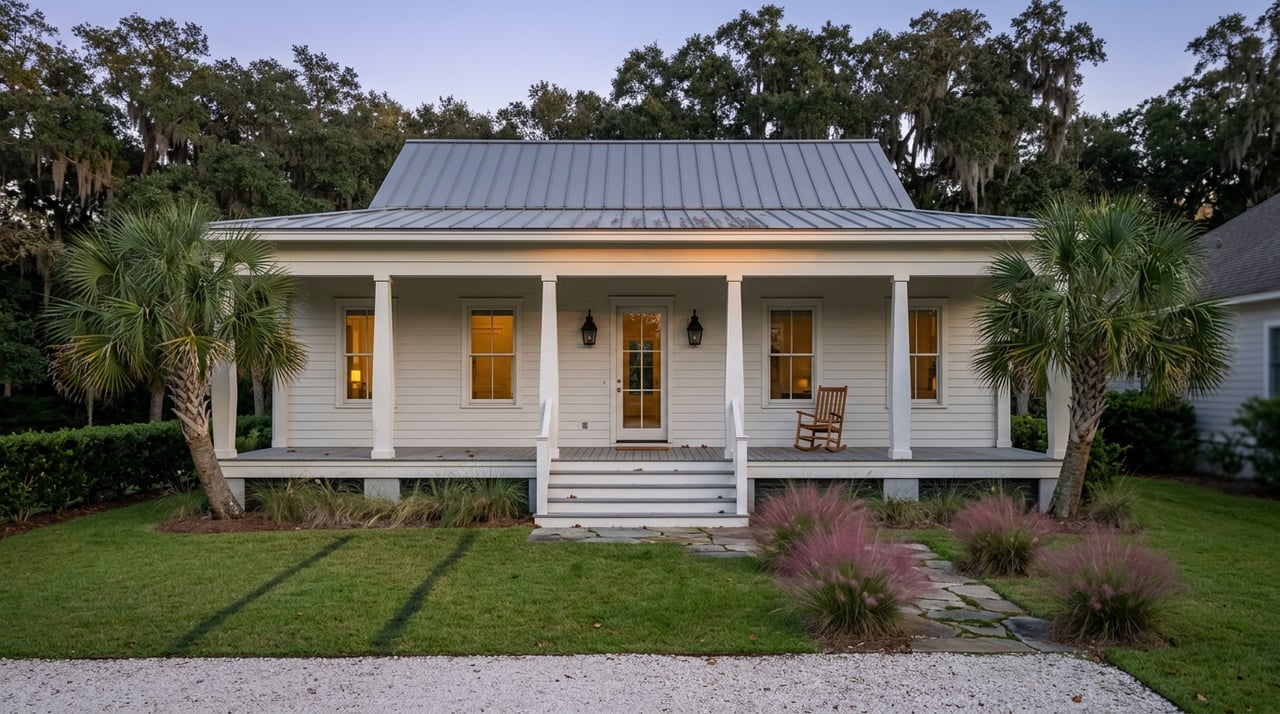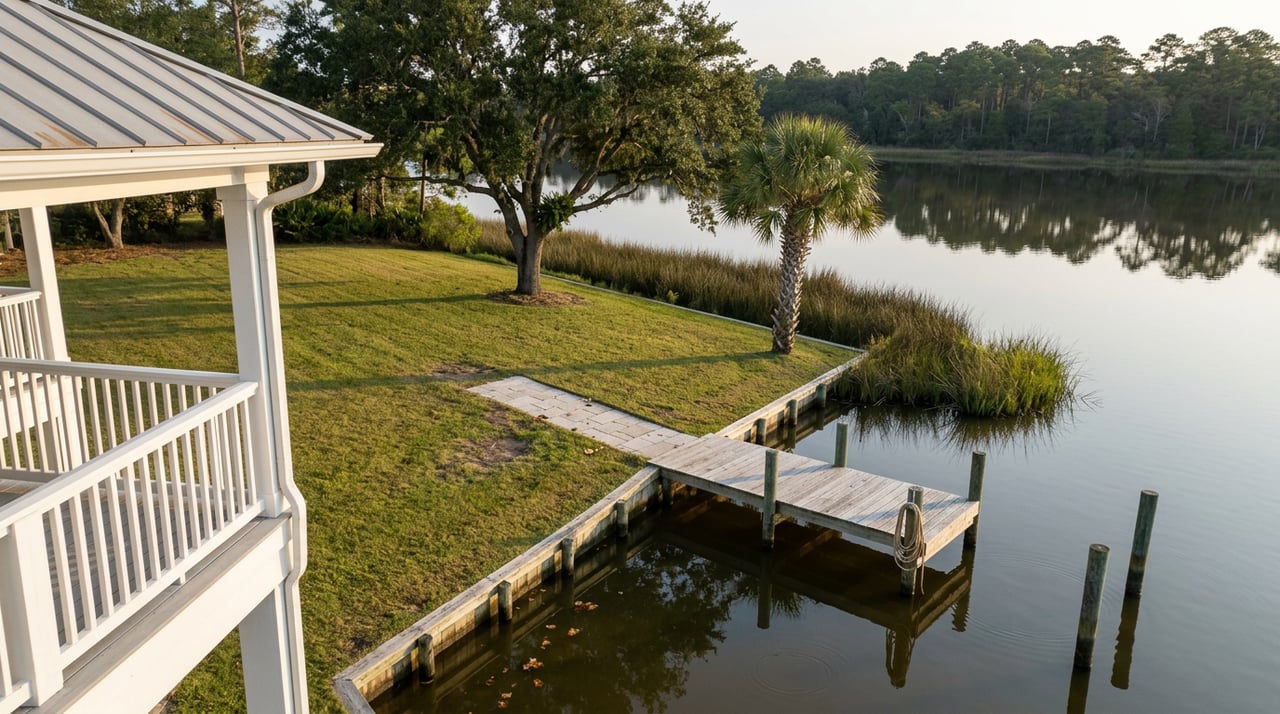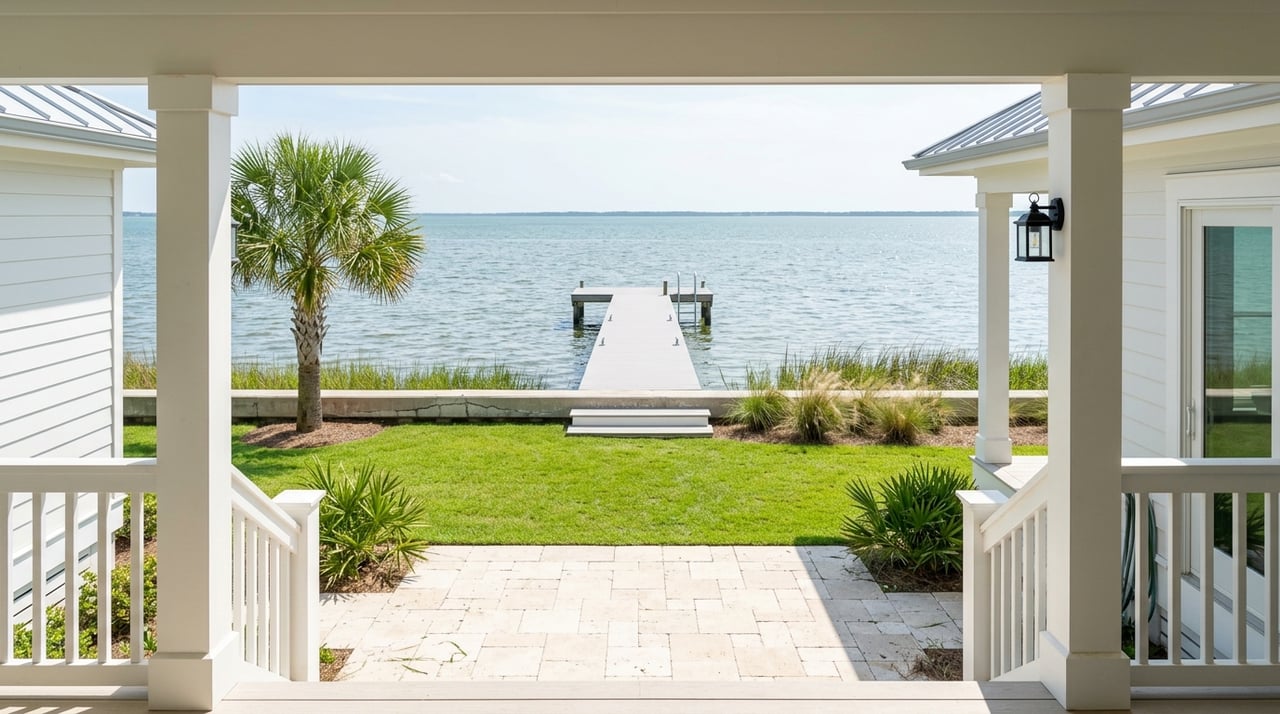
What if your second home on the water did not require a 30A price tag? If you love the idea of boating, bay views, and a slower coastal rhythm, Freeport offers a different kind of waterfront lifestyle. You can enjoy year-round town amenities, real access to Choctawhatchee Bay, and a more approachable entry point than many Gulf-side markets. Let’s dive in.
Why Freeport Stands Out
Freeport is a true bay community, not just a place near the coast. The city traces its roots to around 1830 at LaGrange Bayou near the eastern end of Choctawhatchee Bay and the mouth of the Choctawhatchee River. Today, the city describes itself as the crossroads between North and South Walton, with South Walton’s beaches and golf courses about a half-hour drive away.
That location creates a lifestyle many second-home buyers find appealing. You are close enough to enjoy beach days when you want them, but your home base can feel more grounded, practical, and connected to the water in a different way. In Freeport, the draw is often the bay, the bayous, and the boating access that comes with them.
Freeport is also growing fast. Census Bureau estimates show the population rose from 5,861 in 2020 to 7,234 in 2024, a 20.1% increase. That kind of growth reflects rising interest in the area and supports the idea that Freeport is becoming a more recognized option for buyers looking beyond the busiest beach corridors.
What Bayfront Living Means Here
If you are picturing a walk-out Gulf-front condo, Freeport will feel different. Bayfront living here is more about water access, boating convenience, and a quieter setting than direct Gulf-front walkability. That difference matters because it shapes both your lifestyle and your property search.
Freeport grew around LaGrange Bayou, and the local geography still defines the market. You will find homes and lots along bayous, near-bay neighborhoods, and waterfront stretches tied into the Choctawhatchee Bay system. For many second-home buyers, that means early-morning coffee by the water, afternoons on the boat, and an easier pace when you are away from the larger resort crowds.
This is a strong fit if your version of coastal living centers on the water itself. If you value dock access, launching nearby, and sunset views over the bay more than being able to walk to the Gulf, Freeport deserves a close look.
What Buyers Are Finding Now
Freeport’s housing market offers more variety than many buyers expect. Realtor.com’s March 2026 snapshot shows 872 homes for sale, a median listing price of $429,900, and a buyer’s market designation. Inventory spans both resale and new construction, which gives second-home buyers more flexibility in style, age, and price point.
Neighborhood inventory has included areas like Bay Harbour, Mallet Bayou, Cedar Beach, Magnolia Baye, and Windswept Estates. That mix supports a market with single-family homes, near-bay communities, and some new-construction opportunities rather than a condo-heavy waterfront scene. For buyers who want space, privacy, or room for gear and guests, that can be a major advantage.
Waterfront inventory is also meaningful. Realtor.com’s waterfront search has shown 164 waterfront homes in Freeport, while listing portals have surfaced waterfront lots and homes along places like Bay Harbor Boulevard, Cedar Beach Cove, Bayou Forest Drive, and Mallet Bayou Road. Some listings have been described with features such as private docks or deep-water access.
Why Second-Home Buyers Compare Freeport
For many buyers, the biggest reason to consider Freeport is value. Zillow places Freeport’s typical home value at $394,021, while Santa Rosa Beach’s typical home value is $872,224. Realtor.com also shows Freeport’s median listing price at $429,900, compared with Miramar Beach at $659,000.
These metrics are not identical, but the pattern is clear. Freeport is materially less expensive than several nearby Gulf-side markets. That price gap can open the door to a larger home, a waterfront lot, or a property with boating access that may be harder to find closer to the beach.
Freeport is also currently described as a buyer’s market. Realtor.com reported 58 median days on market in March 2026, with homes selling for about 1.46% below asking. If you are looking for a second home and want more negotiating room, that may create a favorable window.
Boating Access Is a Real Advantage
If getting on the water is part of your dream, Freeport has a practical edge. Walton County’s public access network around Freeport includes Alaqua Park on Highway 20, Grady Brown Park at the Clyde B. Wells Bridge, Choctaw Beach Park, and Portland Park Landing. County facilities identify boat or canoe access at these sites, and the county maintains a broader boat-ramp network as well.
That means you do not always need private waterfront ownership to enjoy the area. A near-bay home may still work well if your goal is weekend boating, paddle days, or fishing trips. For some second-home buyers, that flexibility helps balance budget and lifestyle.
This is one of Freeport’s strongest stories. You can enjoy the benefits of a bay-focused lifestyle without paying top-tier Gulf-front pricing, and you still have multiple ways to get out on the water.
Waterfront Rules to Know Before You Buy
Waterfront property can be exciting, but it also comes with extra homework. In Walton County, the Bay Shoreline Protection Zone extends 50 feet landward from the mean high water line of Choctawhatchee Bay and bayous directly connected to the bay. That affects what you may be able to do near the shoreline.
The county limits pier and dock placement over seagrass and generally prohibits new vertical seawalls along the bay. Septic drain fields must also be at least 75 feet from the water line. If you are considering a lot or an older home with plans for improvements, these details matter early in the process.
This is where local guidance becomes especially valuable. A beautiful waterfront setting is only part of the decision. You also want a clear picture of use, maintenance, access, and what future changes may or may not be allowed.
Flood Zones and Building Standards Matter
Bayfront and near-bay homes usually require a closer look at flood risk than inland properties. Walton County participates in the National Flood Insurance Program and the Community Rating System. The county holds a Class 6 CRS rating, which provides a 20% discount on new or renewing flood insurance policies for properties in Special Flood Hazard Areas.
The county also directs owners to flood maps and flood-zone determinations. If a property sits in a Special Flood Hazard Area, development requires a development order and permit. In AE, VE, and Coastal A zones, elevated construction standards apply.
For second-home buyers, this does not mean waterfront is off the table. It means you should understand elevation, insurance costs, and any building constraints before you fall in love with the view. A smart purchase in Freeport starts with matching the lifestyle upside to the practical realities of coastal ownership.
Rental Plans Change the Math
Many second-home buyers want flexibility. You may plan to use the home for family getaways now and consider renting it part-time later. If that is your strategy, Freeport can be appealing, but you need to understand local rules.
Walton County’s property appraiser states that homestead exemption is for property used as the owner’s permanent residence, and eligibility ends when the property is no longer your permanent residence. For many second-home buyers, that means you should not assume the same tax treatment as a primary home.
Short-term rental use also has local requirements. Walton County requires annual short-term vacation-rental registration for units rented more than three times per year for stays under 30 days or one calendar month, although some owner-occupied homestead properties are exempt. If rental income is part of your plan, it is important to evaluate the property with those rules in mind from the start.
Everyday Life Feels More Grounded
One reason Freeport appeals to second-home buyers is that it feels like a real town, not just a seasonal destination. The city provides access to utility billing, water, sewer, parks and recreation, planning, schools, the Freeport Library, and the Freeport Community Center. Walton County also has a library branch in Freeport on State Highway 20 West.
That service base supports a more comfortable ownership experience. If you spend extended time in your second home, or eventually transition to using it more often, those everyday conveniences matter. They help Freeport feel practical as well as scenic.
The local economy also points to a year-round community. According to the city, many residents work in county employment, construction, Eglin-related work, and South Walton service industries such as real estate, hotels, restaurants, and retail. For buyers, that translates to a place with steady activity and local infrastructure, rather than a market built only for visitors.
Is Freeport Right for Your Second Home?
Freeport works best for buyers who want a bay-centered lifestyle and see the beach as nearby rather than outside the front door. You may be a strong fit if you want boating access, more house for the money, and a quieter place to unplug. You may also appreciate having town services and a less resort-driven feel.
It may be a less natural match if your top priority is Gulf-front walkability or a high-rise condo setting. Freeport offers a different kind of coastal experience. The reward is often more space, more flexibility, and a stronger value story in return.
If you are exploring second-home options along the Emerald Coast, Freeport deserves to be part of the conversation. With the right property, you can enjoy the water-focused lifestyle you want while keeping your budget and long-term goals in better balance.
When you are ready to explore bayfront homes, near-bay neighborhoods, or second-home opportunities in Freeport, Luxury Beach Group can help you find the right fit for the way you want to live on the coast.
FAQs
What makes Freeport bayfront living different from Gulf-front living?
- Freeport bayfront living is centered on Choctawhatchee Bay, bayous, boating access, and a quieter town setting rather than direct Gulf-front walkability.
What types of second homes are available in Freeport, Florida?
- Buyers can find resale homes, new construction, waterfront homes, bayou-front lots, and near-bay neighborhoods with a market that is more single-family oriented than condo-driven.
Is Freeport more affordable than nearby beach markets?
- Current market data shows Freeport is materially less expensive than nearby Gulf-side markets such as Santa Rosa Beach and Miramar Beach, making it attractive for second-home buyers seeking value.
Do Freeport waterfront homes have special building or shoreline rules?
- Yes. Walton County has shoreline protection rules, including limits on certain dock placement, restrictions on new vertical seawalls along the bay, and setback-related requirements near the water.
Should second-home buyers in Freeport check flood zones?
- Yes. Bayfront and near-bay properties may be in Special Flood Hazard Areas, which can affect insurance, permitting, and building standards.
Can you use a Freeport second home as a short-term rental?
- Possibly, but Walton County requires annual vacation-rental registration for units rented more than three times per year for stays under 30 days or one calendar month, unless an exemption applies.