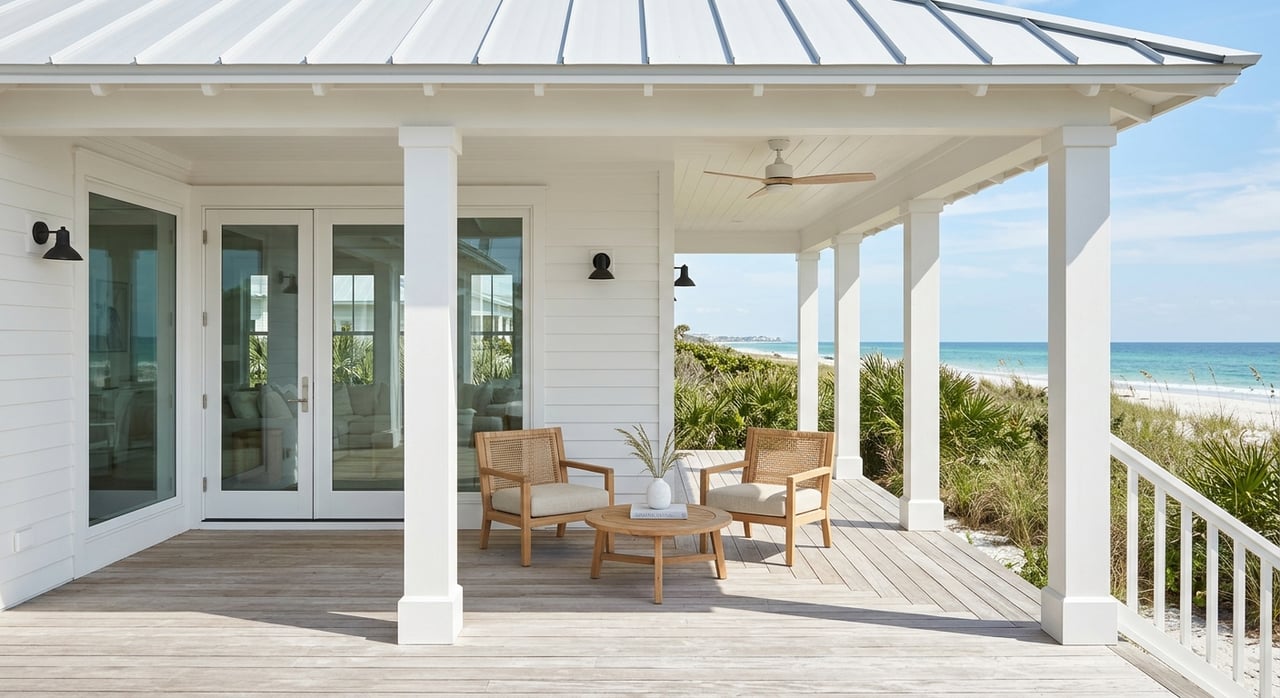
If you are thinking about turning a Miramar Beach property into a vacation rental, you are not alone. This stretch of South Walton attracts steady visitor demand, but a strong launch takes more than uploading a few photos and waiting for bookings. You need the right registrations, a safe and guest-ready setup, a smart pricing plan, and a realistic management system. Let’s dive in.
Why Miramar Beach attracts vacation rentals
Miramar Beach is part of Walton County’s South Walton tourism market, where beaches play a major role in the local economy. According to Walton County’s 2024 annual report, the county estimates the annual economic impact of its beaches at about $6 billion, with tourist development tax collections topping $60.42 million in 2024.
That matters if you are buying or preparing a property with rental income in mind. It shows that visitor traffic remains a meaningful part of the local market, even as average daily accommodation rates have softened. In other words, demand is here, but your launch strategy still needs to be sharp.
Know if your property qualifies
Before you focus on design, furniture, or listing copy, confirm whether your property falls under Walton County’s short-term vacation rental rules. The county defines a short-term vacation rental as a unit rented more than three times in a calendar year for stays of less than 30 days or one calendar month, or a property advertised as regularly rented to guests, according to the county’s vacation rental FAQs.
Some properties may be exempt from county certification requirements, including certain condominiums, co-ops, HOAs, and full-time owner-occupied homestead properties. Even if a property is exempt from county certification, state licensing and tax obligations may still apply. That is why it is smart to confirm your property type early.
Complete the required registrations first
A successful launch starts with compliance, not marketing. Walton County states that owners generally need several registrations and approvals in place before opening for bookings.
Required items to prepare
Based on Walton County guidance, owners typically need:
- Florida Department of Revenue registration
- A DBPR vacation-rental-dwelling license
- Walton County Clerk tourist development tax registration
- Walton County vacation rental registration
- Owner or manager contact information
- LLC business registration, if applicable
- An agent affidavit if someone other than the owner files
- A balcony inspection certificate for buildings three or more stories tall
Walton County’s Vacation Rental Certification Program page currently lists annual registration at $300 per property for an individual filing or $227 for a community registration. The same county source notes a $500 per day penalty for operating without registration.
Prepare simple property sketches
The county does not require professionally drafted layouts. In its FAQ guidance, Walton County says hand-drawn interior and exterior sketches or a property appraiser dimensional drawing are acceptable.
That can make the process more approachable if you are just getting started. Still, your sketches should be clear, complete, and consistent with the home’s actual setup.
Meet safety and posting requirements
A beach home that looks beautiful online still has to meet life-safety rules in person. Walton County can inspect the property before issuing a certificate, and county application materials include notarized compliance affidavits. The county also states there is no grace period for life-safety compliance, and violations can be fined daily until corrected.
What must be posted on site
According to Walton County’s FAQ page, indoor guest postings must include:
- Unit address
- Responsible-party contact information
- Maximum occupancy
- Parking information
- Noise rules
- Trash instructions
- Beach safety information
- Evacuation information
For single-family properties, the county also requires an exterior sign visible from the public right-of-way, no larger than 216 square inches.
Safety items to install before launch
County guidance and the South Walton Fire District checklist make it clear that guest-ready means more than stylish. The property should already have key operational and safety items in place, including:
- Locks n- Smoke detectors
- Carbon-monoxide detectors where appropriate
- Fire extinguishers on every level
- Visible address numbers
- Emergency lights
- Glassware, tableware, utensils, and kitchen equipment
If the home is three or more stories, county materials also point to a balcony or stairway inspection certificate and an evacuation map by bedroom on the third floor and above.
Set occupancy and parking correctly
In Miramar Beach, occupancy and parking are not details to figure out later. Walton County says occupancy is generally one person per 150 square feet of heated and cooled area, unless the home has a lower certified limit. Parking is usually established during certification and must also be advertised.
This affects how you furnish and market the property. If you overcrowd sleeping areas, block access, or fail to communicate parking clearly, you can create both compliance issues and poor guest experiences.
Furnish for durability, not just style
Beach buyers love beautiful interiors, but vacation rental owners need homes that can handle real use. In a market like Miramar Beach, furnishings should support quick turnovers, easy cleaning, and a smooth guest stay.
A practical setup often includes durable seating, enough linens and towels for resets, organized storage for beach gear, and a layout that does not interfere with emergency access, occupancy, or parking. The goal is to create a home that feels welcoming while still working hard behind the scenes.
Build a listing that earns attention
Once your property is compliant and guest-ready, your listing becomes the next priority. Airbnb says that high-quality photos are one of the most important parts of a listing and recommends showing the inside, outside, and surrounding context.
For Miramar Beach, that means capturing more than just the living room. You want photos that show natural light, outdoor spaces, balconies, pool areas, sleeping arrangements, parking, and features that make the home feel easy to enjoy from day one.
Focus on amenities guests actually filter for
Airbnb also notes in its listing performance tips that strong amenities, competitive pricing, and high-quality listings can improve visibility in search results.
For this market, guests are often looking for practical features they can trust, such as:
- Reliable Wi-Fi
- Self-check-in
- Clear parking instructions
- Easy-to-understand beach access details
- Straightforward pool access information
These details may sound simple, but they often shape whether a guest books your home or moves on to the next listing.
Price for the market you have
One of the biggest mistakes new owners make is setting one flat rate and leaving it there all year. Walton County’s 2024 annual report says average daily accommodation rates continue to fall, while 2025 tourist development tax collections are expected to remain roughly flat.
That is a strong case for flexible pricing. In Miramar Beach, a better launch strategy is usually to adjust rates by season, review nearby competition regularly, and use an introductory rate long enough to help your listing gain traction and early reviews.
Decide if self-management is realistic
Some owners love the idea of self-managing. Others quickly realize that local operations, tax filing, and guest communication take more time than expected.
Walton County’s guide for self-managing owners says tax returns are due by the 20th of the month after the stay and must be filed even when there is no rental activity. The county also notes that rental platforms like Airbnb, HomeAway, and VRBO do not remit Walton County tourist development tax for the owner.
Understand the tax structure
For Miramar Beach stays in South Walton, Walton County’s short-term rental tax sheet says rentals generally include:
- 5% Walton County tourist development tax
- 6% Florida sales tax
- 1% Walton County discretionary sales tax
That brings the total to 12% rental tax in South Walton.
Know when local help is required
If you cannot respond to the property within one hour, Walton County requires a local responsible party who is available 24/7, can address issues, and checks the property weekly for parking and trash concerns. For many second-home owners and investors, that requirement alone can make a local management or concierge plan a practical part of the launch.
Create a smoother launch plan
If you want your Miramar Beach vacation rental to start strong, think about the launch in five parts:
- Confirm whether your condo or single-family property needs county certification.
- Complete state, county, and tax registrations before marketing the home.
- Set up the property to meet safety, occupancy, and posting rules.
- Furnish and photograph the home for durability, clarity, and guest appeal.
- Decide whether you can realistically self-manage or need local support.
When you approach the process this way, you give yourself a better chance to protect the property, avoid preventable fines, and create a better guest experience from the first booking forward.
If you are exploring a purchase, preparing a second home for rental use, or deciding whether a Miramar Beach property fits your goals, working with a local advisor can make the process much clearer. Rachel Hutchings can help you think through property type, rental readiness, and the lifestyle and ownership details that matter along the coast.
FAQs
What registrations are needed to start a vacation rental in Miramar Beach?
- Walton County says owners generally need Florida Department of Revenue registration, a DBPR vacation-rental-dwelling license, Walton County Clerk tourist development tax registration, and Walton County vacation rental registration before opening for bookings.
What taxes do Miramar Beach short-term rentals collect?
- For South Walton stays, Walton County says short-term rentals generally collect 12% total tax, made up of 5% tourist development tax, 6% Florida sales tax, and 1% Walton County discretionary sales tax.
What safety items does a Miramar Beach vacation rental need?
- County and fire-safety guidance point to basics such as locks, smoke detectors, carbon-monoxide detectors where appropriate, fire extinguishers on every level, emergency lights, visible address numbers, and required guest postings.
What guest information must be posted in a Walton County vacation rental?
- Walton County says indoor postings must include the unit address, responsible-party contact, maximum occupancy, parking, noise, trash, beach safety, and evacuation information.
Can you self-manage a vacation rental in Miramar Beach?
- Yes, but Walton County requirements make it a hands-on process, including monthly tax filings, compliance obligations, and a local responsible party if you cannot respond to the property within one hour.
How should you price a new Miramar Beach vacation rental listing?
- Walton County market trends and Airbnb guidance support using seasonal adjustments, competitive pricing checks, and a possible introductory rate to help a new listing build early momentum.