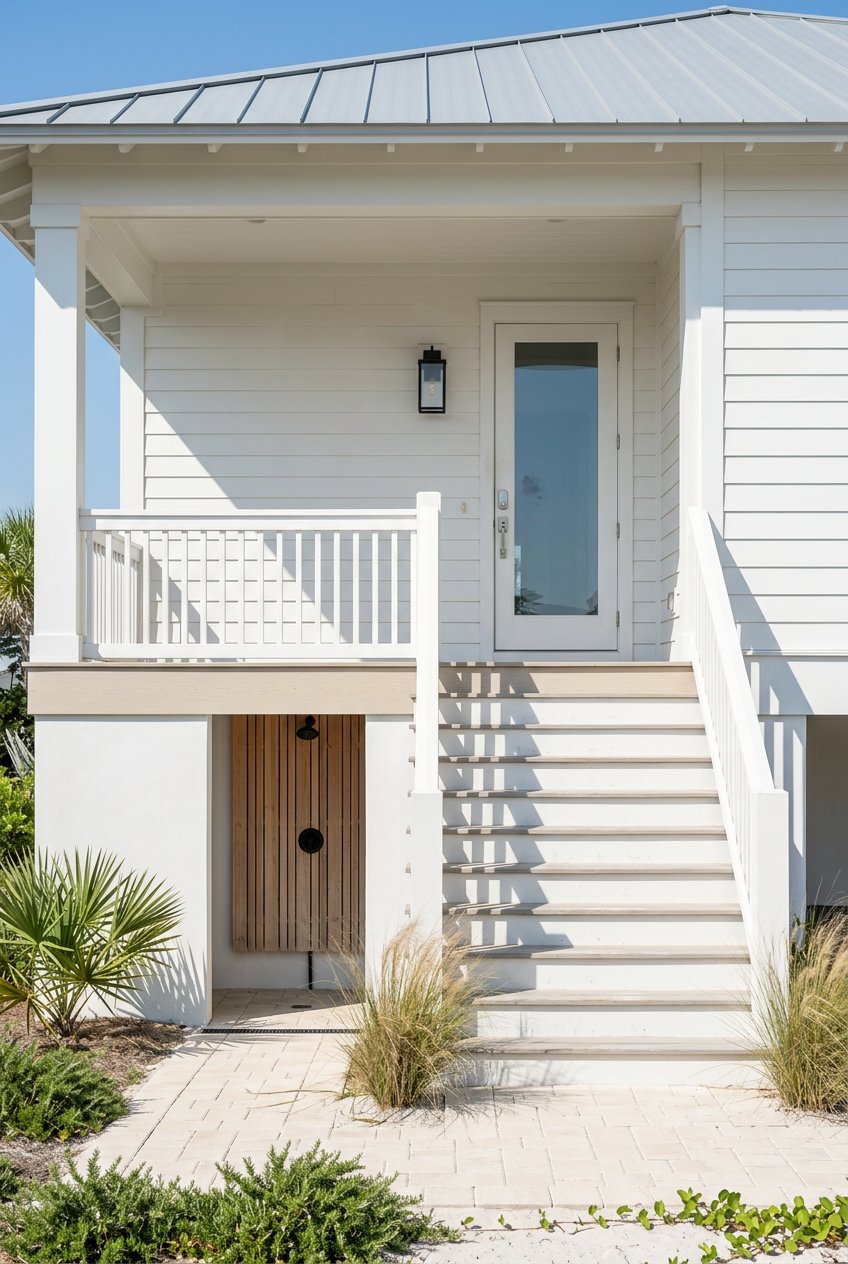
If you could enjoy sunrise beach walks and still let your home help pay for itself, would you do it? Many buyers eye Blue Mountain Beach and Gulf Place for that exact blend of lifestyle and income. You want a clear picture of demand, rules, and what actually performs so you can invest with confidence.
This guide breaks down who rents where, key revenue drivers, must-know regulations, and an investor checklist you can use right away. You will see how walkability, elevation, and property type shape results on 30A. Let’s dive in.
Why 30A demand stays strong
South Walton’s 30A corridor is one of Florida’s signature beach destinations, supported by a robust tourism engine and the county’s Tourist Development Tax. The county’s vacation rental registration program now reports helpful market context, including a countywide average nightly rate of about $542 across registered rentals. You can use that figure as a high-level benchmark while you refine numbers by neighborhood and unit type using local comps and paid analytics.
Demand is highly seasonal. Spring break, summer, and holiday weeks drive peak occupancy. Shoulder seasons bring couples and long-weekenders, and winter tends to attract monthly snowbird stays. Adopting dynamic pricing and flexible minimum-stay policies by season is standard practice on 30A and can materially impact occupancy and rate performance.
Blue Mountain Beach: what wins here
Vibe and setting
Blue Mountain Beach is known for its higher elevation along 30A, with locally noted heights near 64 feet at the top ridge, and for a quieter, low-density feel. That elevation can create more opportunities for gulf views and contributes to the neighborhood’s relaxed character. The area is more residential and spread out than town-center nodes, with biking and short drives common for dining and shopping.
Guest fit and property types
Blue Mountain tends to attract families and multi-generational groups who value space, pools, parking, and calmer streets. Larger single-family homes, gulf-view properties along the ridge, and small beachfront or near-beach condos are common performers. The right home here markets well for weeklong family vacations at higher summer rates, with repeat visits a frequent pattern.
Investor takeaways
- Elevation and gulf views support premium rates and can improve perceived risk profiles, though flood insurance still depends on the specific FEMA zone and carrier quotes.
- Car-friendliness means guests value clear parking plans and easy beach access details in your listing.
- Family-focused amenities like a private pool, bunk room, outdoor shower, and grill area can lift conversion during peak season.
Gulf Place: walkable, weekend-friendly appeal
Vibe and walkability
Gulf Place is a planned town center on Scenic 30A with shops, restaurants, an amphitheater, artist spaces, and several low to mid-rise condo buildings moments from beach access. The design favors short stays and convenience, so many guests trade a compact footprint for the ability to walk everywhere.
Guest fit and property types
Studios and one-bedroom condos thrive on couples, small families, and spontaneous weekend trips. Walkability helps fill the calendar with short-lead reservations outside of peak summer. Turnkey, well-styled condos often deliver strong revenue relative to price when professionally managed.
Investor takeaways
- Proximity to dining and events supports resilient shoulder-season and weekend demand.
- Smaller condos usually mean lower operating complexity compared with detached homes.
- Guests respond to clear, lifestyle-forward marketing that highlights steps-to-beach access, evening hangouts, and on-site amenities.
Pricing, occupancy, and expenses
Use county and local guidance to frame early underwriting, then tighten with building-level comps and paid analytics.
- Average nightly rate benchmark: The county’s vacation rental program reports an average nightly rate of about $542 across registered rentals. Treat this as a broad indicator since product mix ranges from studios to luxury homes.
- Occupancy starting point: Local market commentary often places annualized occupancy for many 30A product types in the 50 to 65 percent range. For conservative planning, model 45 to 60 percent and validate with paid tools or manager P&Ls.
- Expenses guideline: A 40 to 50 percent operating expense ratio of gross revenue is commonly cited for full-service operations. This includes management, cleaning, utilities, routine maintenance, supplies, and channel fees.
- Seasonality tactics: Use dynamic pricing and adjust minimum-stay rules by season to capture spring break and summer weeklongs, shoulder-season weekends, and winter monthlies.
Rules and registrations to plan for
This is a compliance-first market. Plan your licensing and tax steps early so you can advertise and operate without disruption.
State license
If you rent more than three times in a year for periods under 30 days, Florida’s Department of Business & Professional Regulation requires a vacation rental license. Confirm the correct category, post your license number in listings, and keep required safety documentation.
County STR registration
Unincorporated Walton County requires a local Short-Term Vacation Rental Certification. Expect an application, fees per property, a designated responsible party reachable 24-7 who can respond within one hour, and required interior and exterior signage that covers occupancy, parking, and local rules. Operating without a certificate can trigger daily penalties.
Tourist Development Tax and sales tax
Hosts must collect and remit state sales tax and Walton County’s Tourist Development Tax. South Walton’s beach ZIPs, including 32459 and 32461, carry a 5 percent TDT rate. The county advises that it is not contracted with marketplaces for TDT collection, so owners are typically responsible for registering and remitting unless a platform explicitly states otherwise for your listing.
Enforcement and HOAs
The county cross-references listings, investigates complaints, and can suspend certificates for violations. Confirm HOA covenants early since many associations regulate or prohibit short-term rentals even when county rules allow them. Parking plans and adherence to posted occupancy and noise rules are frequent enforcement touchpoints.
Due diligence checklist
Use this quick list before you write an offer for a Blue Mountain Beach or Gulf Place property.
- Confirm zoning and short-term rental permissibility for the exact parcel using Walton County resources and STR certification guidance.
- Obtain HOA CC&Rs and verify any rental restrictions, minimum stays, or approval steps that would affect your plan.
- Verify your DBPR license path and timing. Apply early so you can advertise legally.
- Register with the county’s vacation rental program and set up your Tourist Development Tax remittance account. Confirm the correct TDT district for the parcel.
- Pull micro-level comps with paid analytics to forecast ADR, occupancy, and RevPAR for your exact building type and location.
- Get insurance quotes for wind, hazard, and flood. Confirm the FEMA zone and model hurricane-season vacancy and reserves.
- Decide your management model. Full-service local managers typically handle dynamic pricing, guest screening, and the 24-7 local response the county requires.
Blue Mountain vs. Gulf Place: choose by goal
If you want a calm, residential feel and the potential for higher gross revenue ceilings with larger homes, Blue Mountain Beach is a strong fit. Families and groups book weeklong stays, and elevation or gulf views can justify premiums when marketed well.
If you want walkability and resilient weekend demand in a turnkey format, Gulf Place shines. Studios and one-bed condos close to dining and the amphitheater often fill short-lead gaps throughout the year. Smaller footprints also simplify operations.
Both areas benefit from professional pricing, clear house rules, and polished, lifestyle-forward marketing that sets guest expectations and supports positive reviews.
Next steps
Ready to match your beach life with smart underwriting and local compliance? Let’s map properties to your goals, run realistic pro formas, and connect you with trusted managers and vendors. Reach out to schedule a friendly strategy session with Rachel Hutchings and get a tailored plan for Blue Mountain Beach or Gulf Place.
FAQs
What is the average nightly rate for short-term rentals on 30A?
- Walton County’s program reports an average nightly rate of about $542 across registered rentals, which you should use only as a broad benchmark while you build property-specific comps.
How does seasonality affect Blue Mountain Beach and Gulf Place bookings?
- Peak demand spans spring break, late May through mid-August, and holiday weeks, while shoulder seasons favor weekenders and winter brings monthly snowbird stays, so align pricing and minimums by season.
Do I need licenses to operate a short-term rental in Walton County?
- Yes, most operators need a Florida DBPR vacation rental license plus Walton County’s short-term vacation rental certification, and must post required signage and designate a 24-7 responsible party.
Who is responsible for Walton County Tourist Development Tax?
- Owners are typically responsible for collecting and remitting TDT, with South Walton beach ZIPs at 5 percent, and you should verify whether any listing platform collects on your behalf.
What operating expense ratio should I budget for a 30A rental?
- A 40 to 50 percent expense ratio of gross revenue is a common local guideline that includes management, housekeeping, utilities, routine maintenance, supplies, and channel fees.
How do elevation and flood zones impact Blue Mountain Beach insurance?
- Blue Mountain’s higher elevation can reduce perceived exposure, but insurers price to the specific FEMA flood zone and structure details, so obtain quotes and verify the zone before closing.
Can an HOA restrict short-term rentals even if the county allows them?
- Yes, HOA covenants can limit or prohibit rentals or set minimum stays, so review CC&Rs and approval requirements early in your due diligence.